The field is the foundation of everything – the beginning of clean food and health
Share
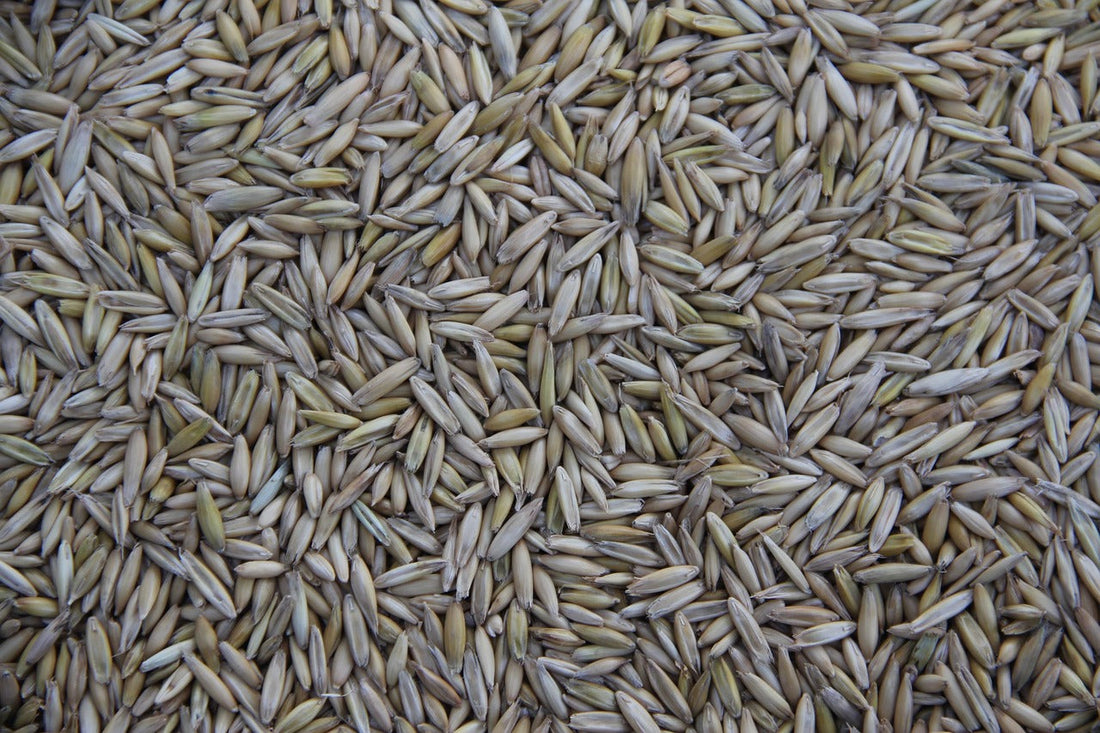
The field where our food grows is much more than just a piece of land – it is the place where life begins. Where the soil is healthy and rich in life, food grows that truly nourishes.
Everything we eat was once part of the soil. The same soil that gives strength to plants ultimately gives strength to us.
If the field is maintained and nourished properly, our food will be more nutritious and our bodies will be stronger.
But when the soil becomes tired or polluted, it quietly transfers to the water, to the food table, and ultimately to our health.
The quality of the field determines not only the size of the harvest, but also the purity of our food, the quality of our drinking water, and biodiversity.
If too many fertilizers and pesticides are used in the fields, they eventually reach the groundwater and from there into our bodies.
A clean field is therefore much more than the goal of agriculture – it is the foundation of human health and well-being.
What makes a field a good field?
A good field doesn't just mean fertile land. It means living soil that breathes, lives, and regenerates.
Healthy soil contains billions of microorganisms, earthworms, and fungi that:
- decompose plant residues, turning them into nutrients;
- retain moisture and bind carbon;
- protect plants from diseases;
- and help nature maintain its own balance.
However, if the soil is treated too intensively with chemicals , it becomes devoid of life. Such a field may yield a large harvest, but the plants grown in it are poorer in nutrients and contain more residues .
Agriculture and groundwater – an invisible connection
Groundwater and soil are like two interconnected layers – everything that happens in one affects the other. In recent years, it has been found in Estonia that some groundwater bodies continue to be nitrate-sensitive .
According to the 2025 monitoring report of Keskkonnaportaal.ee , the nitrate limit value (50 mg/l) was exceeded at several monitoring stations in the Pandivere and Adavere-Põltsamaa regions. Nitrates mainly come from fertilizers and manure , which are carried to the soil and water by excessive rain.
These same substances can affect the quality of drinking water and human health over long periods of time – especially children, whose bodies are more sensitive.
Pesticides in food and soil
According to the 2024 monitoring report of the Agricultural and Food Board (APB), 97.5% of food samples fully complied with EU standards.
This is good news – but a residue within the normal range does not mean there is no effect.
Traces of pesticides and heavy metals can accumulate in the body over time. Their combined effects – along with nitrates, air pollution and packaging residues – can strain the liver, kidneys and hormonal system .
Children and pregnant women are especially sensitive, as their bodies accumulate substances more quickly and excrete them more slowly.
How a clean field supports our health
Healthy soil = strong plants = food that nourishes us. Bio-rich soil produces:
- more vitamins, minerals and antioxidants ,
- less waste,
- and provides natural resistance to both plants and humans.
For example, it has been found that organically grown produce has up to 60% more antioxidants than conventionally grown produce (British Journal of Nutrition, 2014).
These compounds help reduce oxidative stress and strengthen immunity – just as clean air and water strengthen the body's natural defenses.
What can we do?
Farmers can:
- grow catch crops that restore the soil;
- reduce the use of synthetic fertilizers and pesticides ;
- support soil biodiversity with compost and organic fertilizers;
- Monitor your groundwater and soil composition regularly.
We, the consumers, can:
- prefer domestic and organic food , the production of which is controlled;
- grow your own clean food;
- wash and soak vegetables to reduce residue;
- diversify the menu to reduce the potential burden of one food group;
- support producers who practice clean fields and transparent production .
Every small choice – what we buy, what we grow, or what food we prefer – helps maintain the health of the soil and thus ours .
Final word: it all starts with the soil
The field is truly the foundation of everything.
How we treat the earth is ultimately reflected in what we eat, drink, and feel.
A clean field means clean food. Clean food means healthier people.
We can't control everything, but we can make more informed choices – ones that support life, not deplete it.
Our health does not begin in a pharmacy or a sports club, but in the soil that nourishes us .
By taking care of the field, we take care of ourselves.
Heavy metals can accumulate in the food chain in the same way that pesticides accumulate in the soil. Find out how they affect our health and the environment, and what choices we can make to keep our food clean. Read here
The articles on our site are designed to raise awareness and encourage you to make better choices in your daily life. The goal is not to scare you, but to open up topics that are often not talked about - so that you understand how food, environment and habits affect your well-being. We share knowledge and observations based on our experience and research, also relying on scientific sources. This information is not a substitute for professional medical advice or diagnosis. Listen to your body, ask questions and take conscious steps towards better health.
References and sources
-
Agricultural and Food Board (2025). Contaminants in food 2024 monitoring report.
https://pta.agri.ee/saasteained-toidus-2024 -
Environmental Portal (2025). Groundwater monitoring report for groundwater bodies and nitrate-sensitive areas for 2024.
https://keskkonnaportaal.ee/et/pohjaveekogumite-ja-nitraaditundliku-ala-pohjavee-seire-2024-aasta-aruanne -
Estonian Environmental Agency (2024). The state of Estonian waters – challenges and opportunities.
https://keskkonnaagentuur.ee/uudised/keskkonnaagentuur-pohjavee-seisund-ei-ole-eestis-paranenud -
Ministry of Climate (2024). Summary of the Nitrate Vulnerable Area Action Plan 2021–2024.
https://kliimaministeerium.ee/sites/default/files/documents/2025-05/NTA%20tegevuskava%202021-2024%20sisukokkuv%C3%B5te.pdf -
European Environment Agency (EEA, 2025). Nitrate in groundwater - updated indicator.
https://www.eea.europa.eu/en/analysis/indicators/nitrates-in-groundwater -
British Journal of Nutrition (2014). Higher antioxidant and polyphenol content in organic crops.
https://doi.org/10.1017/S0007114514001366 -
World Health Organization (2023). Chemical safety in food and water.
https://www.who.int/news-room/fact-sheets/detail/chemical-safety